VA Home Loans Frequently Offer: Uncovering the Advantages for Homebuyers and Veterans
VA home loans present a unique opportunity for veterans and active-duty service members to attain their homeownership goals. With features including no down payment and competitive interest rates, these loans can ease financial strain. The lack of private mortgage insurance makes them even more appealing. Grasping the intricacies of VA loans is essential for potential homebuyers. What distinct benefits can these loans provide, and what steps can applicants take to efficiently complete the application process?
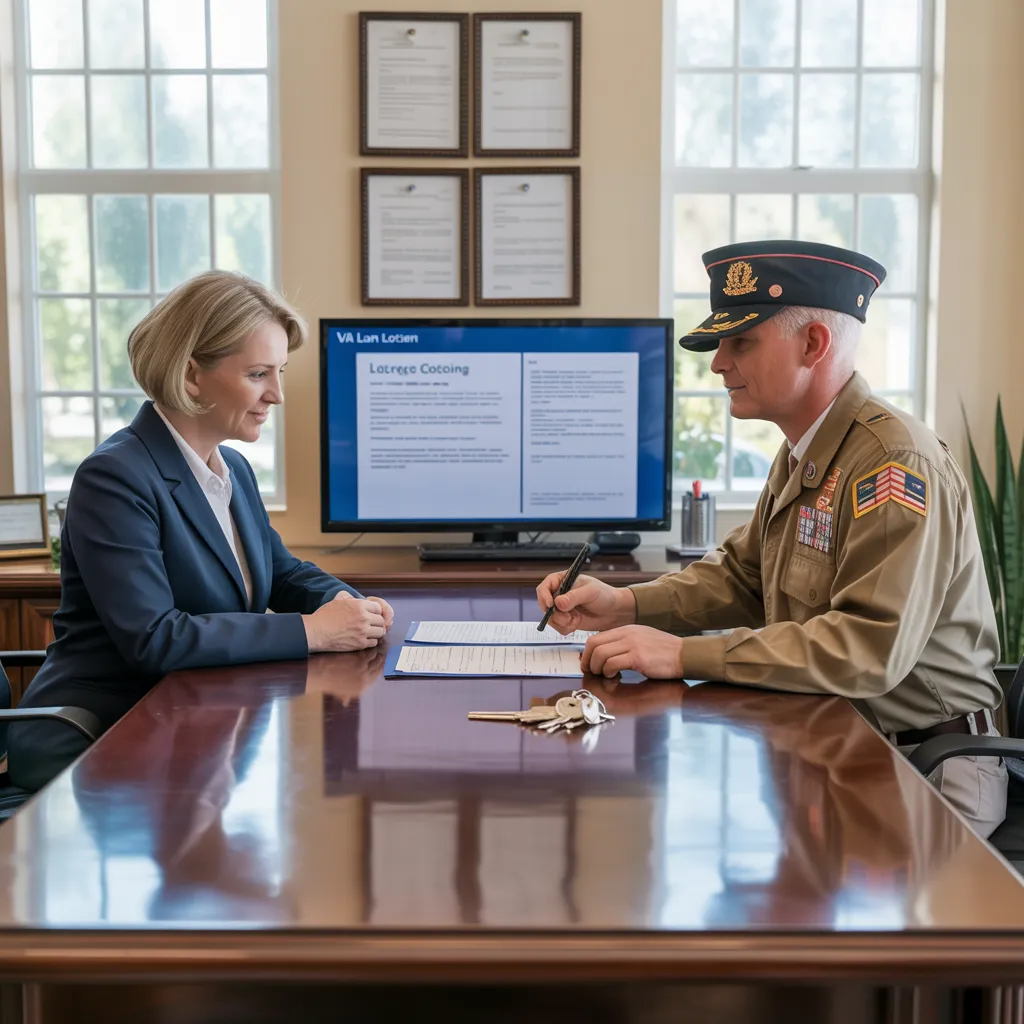
Understanding VA Loans: Benefits and Eligibility
Comprehending Veterans Affairs loans is crucial for active-duty service members and veterans pursuing monetary support for purchasing a home. These loans are backed by the U.S. Department of Veterans Affairs, offering exclusive advantages that are designed specifically for military service members. Qualification for VA loans typically requires a minimum period of service, as well as an honorable military discharge.
Another key aspect is the lack of a down payment obligation, which can significantly reduce the economic pressure for home purchasers. Additionally, VA loans do not necessitate private mortgage insurance (PMI), substantially decreasing monthly costs. Borrowing rates for VA loans are often lower compared to traditional mortgage loans, making homeownership more accessible.
Moreover, eligible veterans and service members receive cost-effective closing fees, which are capped by the VA. Grasping these key components enables potential borrowers to make the most of the benefits that VA loans offer.
Key Benefits of VA Loans for Homebuyers
VA loan programs provide numerous significant benefits for prospective home purchasers, rendering them a desirable solution. Impressively, these loans come with no down payment requirement, include competitive interest rates, and have flexible credit requirements. These advantages can significantly simplify the homebuying process for qualifying veterans and active-duty military personnel.
No Down Payment Needed
For countless homebuyers, the prospect of buying a home can be intimidating, especially when accounting for the financial challenges associated with a down payment. VA loans present a major advantage by demanding no down payment, making homeownership more accessible for veterans and eligible servicemembers. This unique feature allows buyers to conserve their savings for other expenses, such as closing costs or home improvements. By doing away with the down payment requirement, VA loans not only lower the upfront financial obstacle but also empower veterans to enter the housing market sooner. As a result, this feature fosters stability and builds a sense of community among veterans, ultimately enhancing their quality of life and contributing to the economy.
Compelling Interest Rates
A key advantage of VA loans is the competitive interest rates they offer, which are often significantly lower than those available through conventional loan options. This favorable condition permits veterans and active-duty service members to achieve meaningful savings over the life of their loans. Lower interest rates translate into reduced monthly mortgage payments, making homeownership more accessible and affordable. The favorable rates also reflect the government's backing of VA loans, which minimizes financial risk for lenders and incentivizes them to extend improved terms. Consequently, this financial benefit not only boosts the financial capacity of eligible borrowers but also fosters sustained financial health. Ultimately, competitive interest rates are a key factor that makes VA loans an attractive option for prospective homeowners.
Adaptable Credit Criteria
While many traditional loans impose strict credit score requirements, VA loans stand out for their adaptable credit requirements, rendering them an attractive choice for prospective homebuyers. This adaptability allows veterans and active-duty service members to qualify for loans even with less-than-perfect credit histories. Lenders frequently evaluate the complete financial profile, encompassing income stability and debt-to-income ratios, instead of concentrating exclusively on credit scores. As a result, this method benefits numerous buyers who may otherwise feel shut out from traditional financing alternatives. Additionally, VA loans typically do not require private mortgage insurance (PMI), further easing the financial burden. In summary, adaptable credit criteria improve accessibility, empowering more veterans and military households to attain homeownership free from the burden of rigid credit requirements.
No Down Payment: What You Need to Know
Active-duty service members and veterans who are looking to become homeowners can benefit from VA loans, which come with the key benefit of no down payment required. This feature distinguishes VA loans from conventional mortgage options, which generally require a substantial upfront payment. By removing the down payment requirement, VA loans open the door to homeownership, permitting veterans to direct their savings to other critical priorities, such as renovations or emergency funds.
Furthermore, this no-down-payment option can make the home buying process easier, permitting speedier transactions and minimizing financial pressure. It also means that veterans can secure a home without having to save up a substantial amount, which can be notably valuable for veterans transitioning to civilian life. All in all, the removal of the down payment requirement is instrumental in supporting homeownership for veterans who have given their service to the nation, establishing it as a significant advantage of VA loans.
VA Loan Interest Rates That Compete: What Borrowers Can Anticipate
When considering VA loans, recognizing the variables that impact interest rates is vital. Borrowers can benefit from comparing various VA rate options to find the most favorable terms. Such understanding can translate into considerable savings across the entire loan period.
Exploring Interest Rate Factors
Comprehending the multiple factors that influence interest rates is vital for anyone considering a VA loan. Several elements contribute to the competitive rates connected to these loans. To begin with, the VA insures a portion of the loan, reducing risk for lenders and typically yielding lower rates for borrowers. Furthermore, larger economic circumstances, such as the Federal Reserve's monetary policy and inflation, play a significant role in determining interest rates. Credit scores and the loan amount also shape the rates provided. Moreover, the lending institution and industry competition can create variations in interest rates. By understanding these factors, service members and home purchasers can more confidently move through the lending landscape and secure favorable terms for their VA loans.
Analyzing VA Rate Alternatives
VA loans are known for their competitive interest rates, making them an appealing choice for qualified borrowers. Such rates frequently undercut those of traditional loans, making it easier for veterans and active-duty service members to achieve homeownership. Interest rates are usually determined by lenders based on a range of factors, including credit scores and current market trends. Additionally, VA loans do not require private mortgage insurance (PMI), further enhancing affordability. Borrowers can compare rates from multiple lenders to find the most favorable terms. Beyond the interest rate, borrowers should carefully assess any associated closing costs and fees. Ultimately, the financial advantages of VA loans empower service members to obtain homes affordably while fostering long-term economic well-being.
Reasons You Can Avoid Private Mortgage Insurance
Many homebuyers struggle with the added cost of private mortgage insurance (PMI) stemming from low down payments, veterans along with active-duty service members can take advantage of VA loans that do away with this financial burden. This notable benefit enables qualified individuals to reduce their monthly expenses, making homeownership more attainable. PMI commonly raises monthly mortgage payments, driving up the total cost of owning a home. By doing away with this requirement, VA loans empower veterans to devote more resources to their homes or channel funds toward other important priorities, including education or savings.
Furthermore, the absence of PMI signifies the federal government's resolve to supporting those who have dedicated themselves to national service. This aspect not only eases the economic hardship but also expands the path to homeownership for many veterans and active-duty service members. In the end, the elimination of PMI stands as an vital benefit, adding to the overall appeal of VA loans in the mortgage market.

How to Successfully Apply for a VA Loan
Working through the VA loan application process can be simple with the right steps in place. To begin, potential borrowers must secure a Certificate of Eligibility (COE), which verifies their military service and qualification for VA benefits. This can be done online through the VA's web portal or via a lending professional.
After this, borrowers should gather essential paperwork, including proof of income, filed tax returns, and credit background. A solid credit score, while not mandatory, can positively impact the terms of the loan.
Selecting a VA-certified lender is of utmost importance; these experts have thorough knowledge of the unique stipulations of VA loans. After choosing a lender, the application process commences, requiring the submission of documents and a credit evaluation.
Upon the underwriting and approval process, borrowers can close on their new home, benefiting from the distinctive advantages that VA loans provide, such as no down payment requirement and highly competitive interest rates.
Frequently Asked Questions
Can a VA Loan Be Used for Investment Properties?
VA loans are unable to be applied to investment properties. They are intended exclusively for primary residences, enabling veterans and active-duty service members to secure favorable terms for homes they intend to occupy as their main living space.
What Are the Consequences of Defaulting on a VA Loan?
When a borrower defaults on a VA loan, the lender can begin foreclosure proceedings. The Department of Veterans Affairs may provide assistance, but the borrower's credit score will suffer, impacting future borrowing opportunities considerably.
Can VA Loans Be Transferred to Someone Else
VA loans are commonly assignable to a different borrower, but particular criteria must be satisfied. The receiving borrower must be eligible for the loan, and the existing borrower may still be responsible for the report loan until the assumption process is finalized.
How Long Does the VA Loan Approval Process Take?
The VA loan application process generally takes anywhere from 30 to 45 days. Considerations such as complete documentation, lender processing speed, and the borrower's circumstances can impact the timeline, which can potentially extend the overall approval period beyond this average range.
Can I Refinance My Existing Mortgage With a VA Loan?
Yes, homeowners can refinance their existing mortgage with a VA loan. This opportunity, known as the Interest Rate Reduction Refinance Loan program (IRRRL), permits veterans to access more favorable terms and reduced interest rates on their existing mortgages.